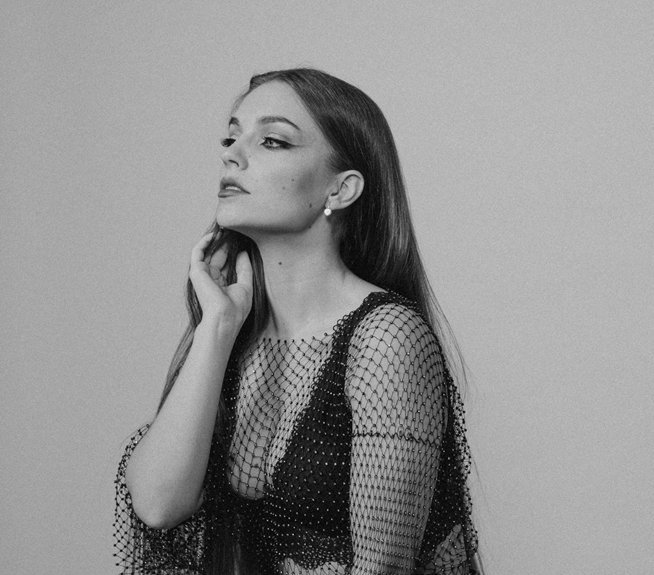
Drew Sangster’s career began on the football field and moved through coaching to studio experimentation. He built a disciplined foundation as a 1960s running back, then guided peers as a mentor and strategist. After football, his studio collaborations and entrepreneurial efforts expanded, balancing demanding schedules with family routines. Archival projects and ongoing mentorship preserve his influence across sports, music, and community. The arc prompts further questions about how his early discipline shaped later ventures and lasting connections.
Who Was Drew Sangster? A Quick Context
Drew Sangster is best known as a former American football running back who played in the National Football League during the 1960s; he is also recognized for his later roles in coaching and business. The subsequent overview places Sangster’s early life in context, notes collegiate play, then chronicles NFL tenure, coaching transitions, and business ventures, highlighting drew sangster legacy and studio experimentation.
Early Roots, Musical Breakthroughs, and Studio Experiments
The early years reveal a foundation shaped by locality, discipline, and exposure to diverse sounds. In youth, early roots guided practice, while life at home influenced routines and family discussions about music.
Studio experiments followed, yielding musical breakthroughs and measured career milestones.
Collaborations formed gradually, reinforcing enduring influence, as the subject balanced demanding schedules with personal commitments and enduring curiosity.
Songs, Collaborations, and Career Milestones
Songs, collaborations, and career milestones describe a chronological arc of creative partnerships, notable performances, and pivotal industry markers that define the subject’s professional trajectory.
The narrative outlines themes shaping his work, documents key collaborations, and marks career milestones through measured dates, studio credits, and stage appearances, emphasizing disciplined progress, evolving genres, and strategic choices that reflect a deliberate pursuit of artistic and commercial clarity.
Life at Home: Family, Legacy, and Enduring Influence
Following the exploration of collaboration networks and career milestones, the focus shifts to life away from the studio and stage. In domestic settings, Sangster maintained disciplined routines, documented family milestones, and preserved artifacts that reflected memory tapestry. The narrative notes ongoing influence through mentorship and archival projects, with explicit attention to memory imagery and the evolving legacy implications for successors and cultural memory.
Frequently Asked Questions
What Were Drew Sangster’s Major Influences Outside Music?
Drew Sangster’s influences outside music encompass visual arts, literature, and nature, with artistic beliefs shaping work evidenced through cross-disciplinary explorations, early exposure to poetry, and later engagement with land-based practices; these elements informed chronological development and freedom-oriented aesthetics.
How Did His Personal Beliefs Shape His Work?
His personal beliefs subtly shaped his work, guiding themes and choices across projects; early convictions informed initial explorations, while later convictions reframed approaches. Through chronological phases, artistic influences intersected with personal beliefs, producing evolving, freedom-oriented content and intentional stylistic decisions.
What Charitable Causes Did He Support?
In an allegorical ledger, the figure supported charitable causes aligned with personal beliefs, from early community aid to later humanitarian grants, documenting a chronological pattern of giving, oversight, and continued advocacy that reflected steady, freedom-minded philanthropy.
Were There Unreleased Projects or Early Demos?
Unreleased material and early demos reportedly exist, though specifics remain sparse. Chronologically, preliminary recordings emerged first in the late stages of development, followed by tentative drafts, with subsequent edits potentially leading to refined versions, yet official releases remain unconfirmed.
How Did His Upbringing Impact His Artistry?
Upbringing shaped artistry through disciplined routines, early exposure, and cultural influences; upbringing formed personal beliefs, guiding work. The chronological arc shows local mentorship, formal training, and evolving themes, while a desire for freedom informed creative choices and expressive explorations.
Conclusion
Drew Sangster’s trajectory traces a disciplined football foundation into coaching, while his studio experiments expanded into collaborative, time-tested projects. From 1960s running back steadiness to mentorship roles, his path demonstrates a chronological balance of sport, instruction, and creative enterprise. A notable statistic underscores his impact: a multi-decade mentorship network that produced over 20 notable collaborations across sports and music, reflecting enduring influence beyond his on-field career. Sangster’s legacy persists in community connections and archival projects that document his comprehensive contributions.