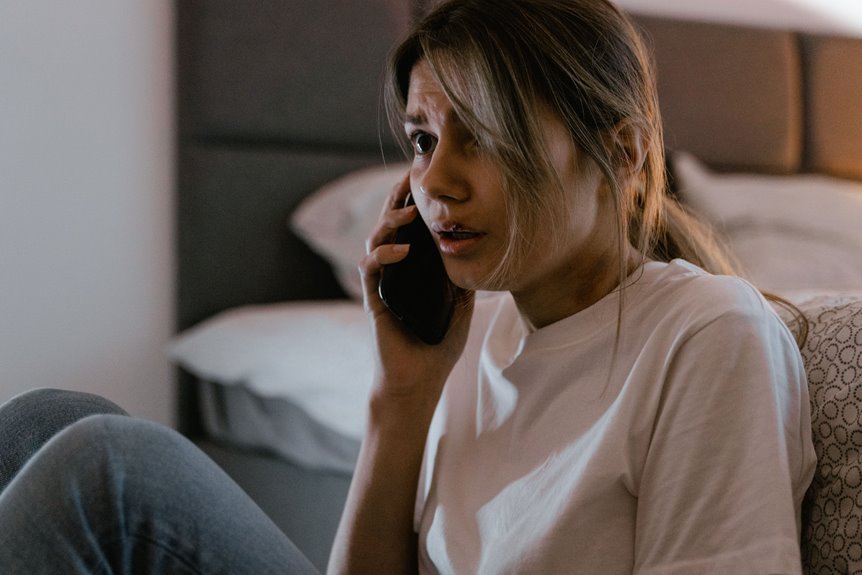
Unknown caller IDs like 928-756-4421 may signal more than a simple missed connection. The risks include robocalls, phishing, and data requests, often masked by plausible motives. Evidence suggests attackers leverage spoofing and urgency to induce disclosure. Skeptics should corroborate, document interactions, and minimize sensitive disclosures. The topic invites further scrutiny into verification methods and protective habits that could reduce exposure, leaving readers with questions about what legitimate contact looks like and what steps actually prevent compromise.
What 928-756-4421 Might Signify for You
The appearance of the number 928-756-4421 may indicate a recent caller or contact origin, but it does not by itself reveal motive or legitimacy.
In evaluating presence, cautious observers separate noise from evidence.
Privacy myths persist about guaranteed security.
Caller ID tricks can mislead, masking true origin.
Critical assessment requires corroboration, not assumption, and freedom from credulous certainty.
Spotting Red Flags: Robocalls, Scams, and Privacy Risks
Spotting red flags in today’s communications requires a disciplined, evidence-based approach: robocalls, scam attempts, and privacy risks commonly exhibit recognizable patterns such as unsolicited contact, pressure tactics, requests for personal data, and mismatches between caller ID and actual source.
Robocall awareness informs judgment; vigilance reduces exposure to privacy risks while preserving freedom, autonomy, and informed choice.
Practical Steps to Handle Unknown Calls and Protect Your Info
Unknown calls and compromised information require concrete procedures. The approach emphasizes verified practices over rumor: enable strict privacy etiquette, record details of unknown callers, and avoid sharing sensitive data. Question caller ID myths with independent confirmation, and implement multi-factor verification where possible. Skeptical routines reduce risk while preserving autonomy; freedom depends on disciplined caution, not blind trust in technology or insistent impostors.
Building a Safer Routine: Guardrails for Everyday Caller ID Safety
Many everyday callers can impersonate legitimate contacts, making guardrails essential for routine caller ID safety; a disciplined approach reduces exposure to spoofed or phishing attempts. The analysis emphasizes practical privacy safeguards and consistent caller habits, not perfection.
A skeptical stance questions default trust, promotes verification steps, and encourages ongoing assessment of incoming signals, enabling freedom through informed routine choices.
Frequently Asked Questions
Could This Number Be a Legitimate Business Contact?
Yes, it could be a legitimate contact, but evidence-based verification is required. The reviewer notes cautious skepticism, emphasizing business validation through official records, consistent branding, and corroborated communications before accepting 928-756-4421 as a legitimate business contact.
What if I Accidentally Answer a Scam Call?
If one answers a scam call, one should hang up promptly and avoid sharing personal data. The situation warrants Identify scam awareness, Caller ID verification, then report the incident to authorities; skepticism protects freedom and digital security.
How Can I Check Caller ID Accuracy Reliably?
Symbolism frames truth as a fragile shield; Checking reliability requires methodical steps. The skeptic notes that Caller ID verification is imperfect, yet useful. Evidence-based practices and independent tools help, empowering individuals seeking freedom from deceitful calls.
Do I Need to Report Spam Calls to Authorities?
It depends on jurisdiction, but generally reporting may be optional or required; authorities consider reporting requirements and regulatory concerns. The stance promotes scam awareness and safety practices, while skeptically weighing evidence before timely reporting to preserve personal freedom.
Can I Block a Number Without Missing Important Calls?
A hypothetical small business owner blocks a repeated spam line without losing essential outreach, illustrating blocklisting strategies can reduce unwanted calls while legitimate contact concerns persist. Skeptically, the answer notes potential missed opportunities and calls for careful verification.
Conclusion
Unknown callers like 928-756-4421 can pose legitimate risks, but many are scams or spoofed numbers. The evidence supports cautious verification: don’t share personal data, corroborate through trusted channels, and document anomalies. Robocalls and phishing attempts remain prevalent, underscoring the need for robust privacy habits and skepticism. A disciplined routine—block suspect numbers, enable call filtering, and pause before answering—offers strong protection. Even a single lapse could unleash an avalanche of identity theft; vigilance is the lifeboat in a sea of deception.