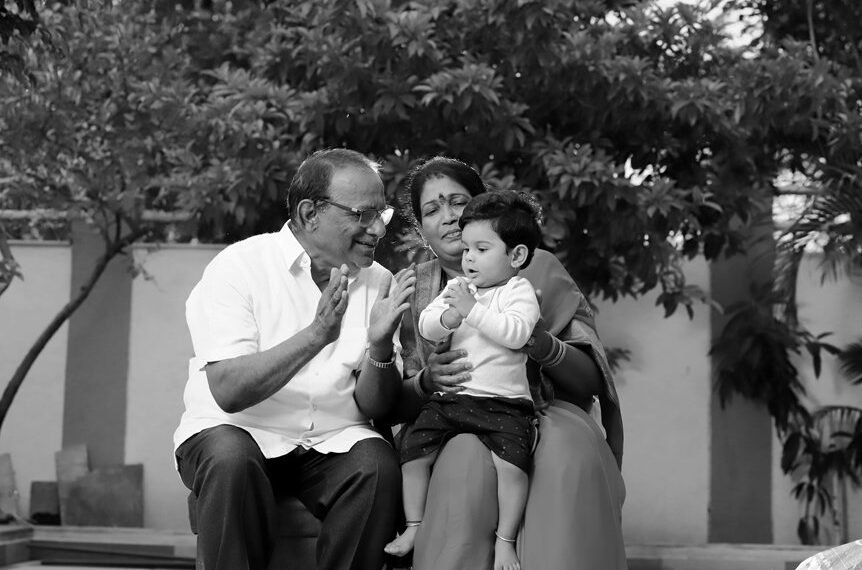
Darrell Wallace Sr. shaped a disciplined path that quietly underpinned Bubba Wallace’s racing career. His work ethic, practical upbringing, and steady routine created a foundation of resilience and accountability. The family dynamic centered on care, purpose, and shared values, guiding measured progress on and off the track. His leadership extended beyond racing, influencing community stewardship and mentorship. This legacy prompts questions about how such roots mold ambition and public life, and what comes next for those who carry it forward.
Who Is Darrell Wallace Sr.? A Foundational Overview
Darrell Wallace Sr. is best known as the father of professional race car driver Bubba Wallace, but his own life spans a diversified experience that extends beyond a single role.
He embodies a foundational influence within a community, shaping values and opportunities.
His legacy beyond racing persists through mentorship, resilience, and a commitment to empowering others to pursue ambitious paths.
Early Life, Work Ethic, and Path to Racing Influence
Early life set the stage for a disciplined work ethic and a practical, goal-driven mindset. The narrative outlines formative experiences shaping a steady routine, endurance, and focus. His early life informs a clear path to racing influence through persistent training and observation.
Family dynamics and bubba wallace rise contextually frame influence, reflecting consistent ambition and measured, purposeful progress.
Family Dynamics and Bubba Wallace’s Rise
Family dynamics played a pivotal role in shaping Bubba Wallace’s rise within the racing world, anchoring his ambitions in a supportive, purpose-driven environment.
The narrative examines familial influence on training, mentorship, and resilience, illustrating how care, accountability, and shared values reinforced discipline.
These family dynamics contributed to Bubba Wallace’s rise, framing his trajectory within a structured, freedom-valuing pursuit of speed and achievement.
Legacy on and Off the Track: Faith, Resilience, and Impact
A lasting legacy emerges from a career built on faith, resilience, and measurable impact, extending beyond the race track into community influence and personal conduct. The narrative assesses how legacy and resilience shape decisions, how faith informs leadership, and how public impact reflects private discipline. Off-track actions underscore values, while on-track performance illustrates sustained commitment to resilience and faith-based stewardship.
Frequently Asked Questions
What Was Darrell Wallace Sr.’s First Job After College?
Darrell Wallace Sr.’s FirstJob after college involved entering a sales analyst role, marking the PostCollege Path with quantitative focus and steady, methodical growth. This early position reflected a measured approach, aligning with a freedom-loving, objective narrative.
How Did His Leadership Shape Bubba Wallace, Outside Racing?
Leadership at home and in mentorship shaped Bubba Wallace beyond racing, demonstrating consistency, resilience, and accountability; the family impact fostered a values-driven approach, public responsibility, and emphasis on community engagement, guiding personal decisions and professional conduct with steadiness.
Are There Undisclosed Mentors Who Influenced His Career?
Undisclosed mentors exist, though precise identities remain unconfirmed; observers acknowledge potential career influences beyond public figures. The narrative suggests subtle guidance from industry peers, family confidants, and regional mentors shaping strategic decisions, resilience, and professional development within Bubba Wallace’s trajectory.
How Did Family Dynamics Impact Bubba’s Early Life Choices?
At the outset, family dynamics shaped Bubba’s choices, steering early decisions through support and expectations, like a map guiding a traveler. In the two word discussion idea, resilience shaped ambition; two word discussion idea framed personal agency within limits.
What Charitable Causes Did Darrell Champion Beyond Racing?
Darrell championed charitable advocacy through inclusive community outreach, supporting STEM education initiatives and youth mentorship programs. His efforts emphasized accessibility, equity, and empowering underserved communities, reflecting a measured, narrative commitment to social betterment beyond racing.
Conclusion
Darrell Wallace Sr. emerges as a steadying force whose disciplined example shaped Bubba Wallace’s ascent from humble beginnings to NASCAR prominence. Grounded in practical values, he fostered resilience, accountability, and purposeful family life, guiding measured progress rather than sensational shortcuts. Some may doubt the quiet influence of a mentor outside the spotlight, yet the lineage of faith, leadership, and community service reveals a lasting footprint: a foundation that steadies, inspires, and propels ambitious dreams toward tangible achievement.