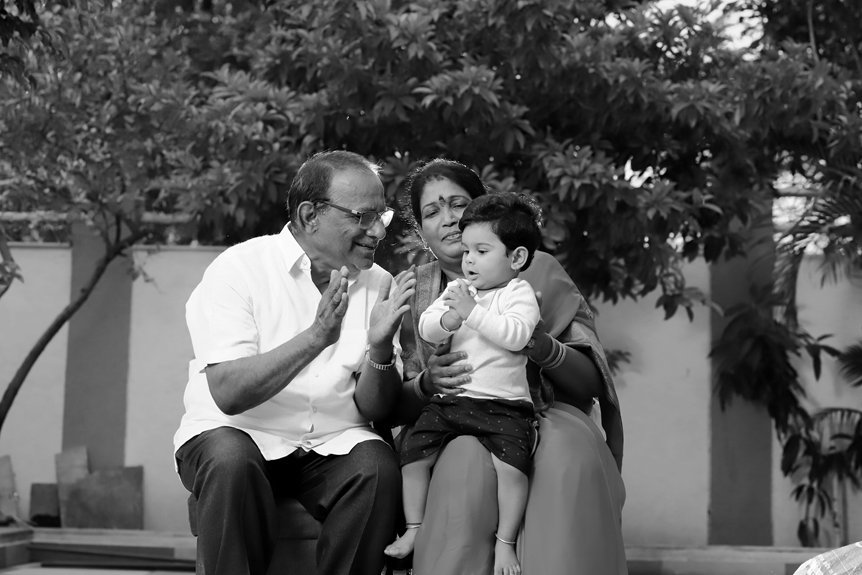
Marjorie Bach grew from a working-class Midwest background into a public figure tied to late-1960s cultural circles. She is Barbara Bach’s sister and Ringo Starr’s sister-in-law, connections that anchor her within music and celebrity networks. Her early life featured ordinary domestic routines, neighborhood ties, school, and family roles that shaped her path. The record shows backstage support and collaborative engagements rather than front-and-center fame, inviting closer examination of her evolving professional focus and personal journey.
Who Is Marjorie Bach? A Quick Biography
Marjorie Bach is an American former model and public figure best known as the sister-in-law of The Beatles member Ringo Starr and the sister of musician and actor, Barbara Bach. The biographical sketch notes limited public documentation. It references family fame in context with late-1960s circles, while reporting on appearances, associations, and documented vocal style as described by contemporaries and press records.
Family Roots and Early Life
Born into a working-class American family, Marjorie Bach’s early years unfold against the backdrop of mid-20th-century Midwest life, with available biographical materials placing her childhood in a setting shaped by ordinary domestic routines and regional ties.
The entry notes family roots and early life as foundational context, detailing parental occupations, neighborhood dynamics, and schooling, while remaining strictly evidentiary and concise.
Marjorie Bach in Music and Public Life
In the realm of music and public life, Marjorie Bach emerges as a figure whose career intersects with notable cultural and social circles. Her documented contributions reflect measured, verifiable engagements within industry networks, including backstage support, archival performances, and festival participation. Noted features include creative collaborations and a study of vocal techniques, framed by observable public appearances and documented recording contexts.
Personal Journey, Relationships, and Current Focus
Building on documented professional engagements in music and public life, the profile shifts to the personal trajectory, relationships, and current focus of Marjorie Bach.
The narrative presents a factual account of personal milestones, notable partnerships, and ongoing endeavors, with attention to conceptual contrast between public perception and private experience, and ethical concerns surrounding family dynamics, philanthropy, and public advocacy within contemporary contexts.
Frequently Asked Questions
What Is Marjorie Bach’s Current Occupation?
Marjorie Bach’s current occupation is not publicly documented; available sources do not confirm ongoing professional roles. The record highlights notable events and associations rather than a defined, current professional position, suggesting a limited or private public activity.
Which Notable Events Shaped Her Early Childhood?
Growing up, Marjorie Bach’s early memories include family dynamics and public attention surrounding the Bach siblings, shaping a childhood marked by exposure to fame, notable events, and evolving dynamics within a prominent musical dynasty.
How Did She Influence the Beach Boys’ Circle?
Like a quiet conductor behind the scenes, she influenced the circle through connections and collaborative dynamics, shaping the Beach Boys legacy by facilitating exchanges, mentorship, and shared projects, evidencing tangible influence on circle and preserving the band’s evolving trajectory.
What Charitable Causes Does She Support?
Marjorie Bach supports several charitable causes through philanthropic efforts, including medical research and veterans’ outreach. She participates in donor events and fundraising, contributing to organizations focused on health advocacy, education, and community welfare, reflecting deliberate, evidence-based engagement in philanthropy.
Are There Unpublished Details About Her Family Lineage?
Unpublished lineage remains unverified; no credible sources confirm hidden relatives. The record shows no substantiated evidence of undisclosed family connections, and claims lack documentary support, leaving the inquiry as speculative symbolism rather than demonstrable fact.
Conclusion
Marjorie Bach’s story emerges as a measured vignette of a life shaped by close-knit family ties and a steady presence behind the scenes. While public fascination centers on high-profile associations, the record highlights consistent support, modest public engagements, and ongoing professional activity. Her path reflects a quiet, collaborative influence within transient fame, navigated with diplomacy and discretion. In essence, her contributions endure as a respectful, understated thread linking music history and personal perseverance.